

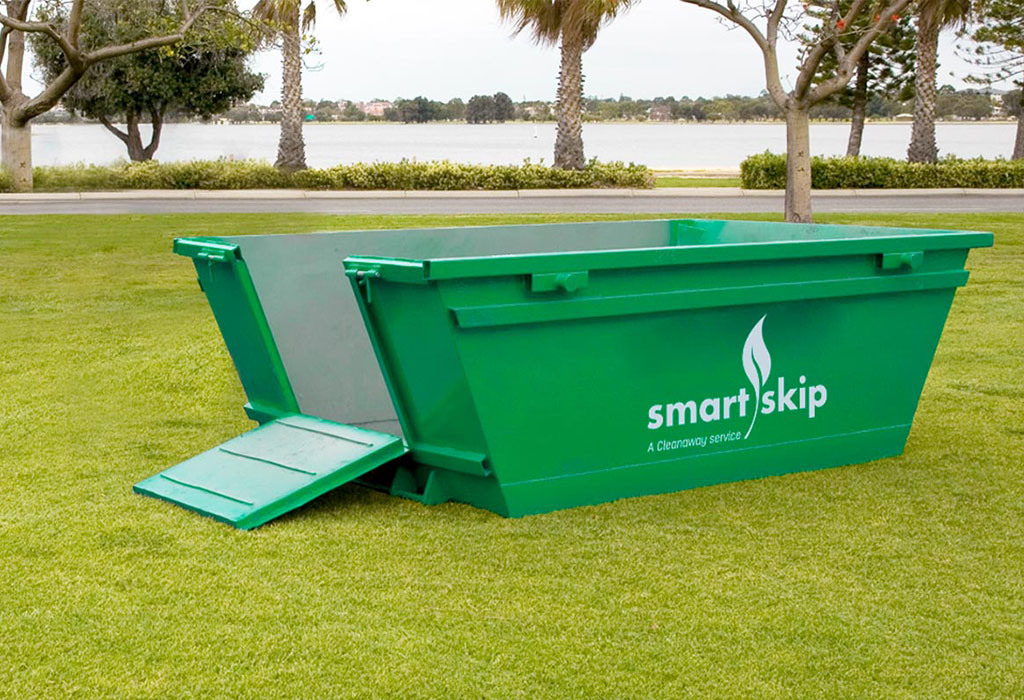
Momentum rises when growth zones manage waste flow with foresight. Public work zones demand clarity and speed control. Early coordination shapes order across busy build phases. Clear systems prevent harm, delay loss. Teams rely on structured removal paths for steady progress. Urban growth gains rhythm through planning supported by skips brisbane, guiding practical site readiness.
Coordinated waste flow during growth phases
Clear removal paths reduce site pressure quickly. Organized handling supports worker focus without distraction.
- Defined collection points reduce surface clutter across active build zones
- Scheduled removal cycles limit pile buildup during peak activity periods
- Visual markers guide teams toward proper disposal areas consistently
- Trained handlers maintain order through simple repeatable actions
Strong waste flow control supports smooth progress through every build phase.
Planning discipline supporting orderly work zones
Thoughtful preparation prevents confusion during active build schedules. Clear plans reduce guesswork across teams. Predictable waste handling aligns timelines, improves accountability, and boosts overall output reliability.
Material handling shaping worker awareness
Visible order promotes careful movement within shared spaces. Clean surroundings guide safe steps naturally. Workers respond better when pathways remain open. Clear ground conditions reduce unexpected hazards significantly.
Removal systems are improving site readiness
Routine clearing maintains functional surfaces for tools and equipment. Teams move freely without obstruction. Organized zones support faster task completion. Reduced clutter lowers stress across long workdays.
Structured disposal routines guiding the build momentum
Defined routines create confidence among teams. Reliable removal supports steady operations.
- Consistent pickup timing prevents overflow during extended construction schedules
- Color-coded bins simplify sorting across varied material types
- Clear signage improves compliance without constant supervision
- Compact storage reduces the spread across limited working surfaces
- Dedicated access lanes maintain smooth transport throughout busy hours
- Routine checks identify buildup risks before disruption occurs
- Simple training reinforces correct placement habits daily
- Central oversight ensures accountability across multiple active zones
Stable routines sustain steady progress across demanding build schedules.
Workforce coordination through clean environments
Open areas improve communication among teams. Clean grounds support visual signals. Reduced obstacles allow faster response times. Productivity rises when movement remains unhindered.
Space readiness supporting phased expansion
Prepared zones enable smooth handoffs between teams. Clean transitions prevent overlap delays. Each phase begins with clarity. Orderly sites reflect disciplined management practices.
Operational clarity through reliable waste support
Reliable removal strengthens daily coordination across teams. Predictable services build trust among planners, supervisors, and workers. During peak periods skips brisbane supports continuity without interruption, ensuring smoother daily output.
Long-term area resilience through foresight
Early waste planning supports future adaptability. Organized systems scale with growth demands. Clean foundations allow upgrades without disruption. Communities benefit from thoughtful groundwork choices.
Measured outcomes shaping safer progress
Careful management reduces risk and improves flow. Clear systems support calm work rhythms. Long-range thinking strengthens public confidence. Well-managed zones reflect responsible growth intent.
Lasting order through smart groundwork
Sustained progress depends on calm, organized surroundings. Thoughtful removal planning limits disruption, stress, and delays. Teams perform better when environments remain predictable. Long-term value emerges from disciplined groundwork choices. Responsible preparation supports growth without chaos.