

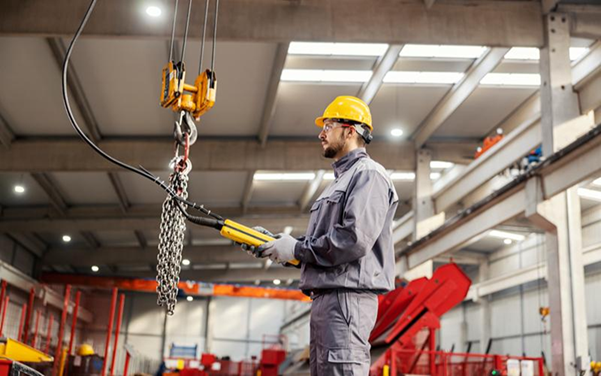
Industrial lifting can look effortless until something goes wrong. Every operator knows that handling heavy loads demands care, timing and the right tools. One essential piece of equipment that simplifies vertical lifting is the hoist crane. Yet even the most reliable machinery requires proper use to prevent hazards and downtime. Here are the key dos and don’ts to ensure your crane operations run safely and efficiently.
Do Conduct Pre-Operation Inspections
Before turning on the system, take a few minutes to check the condition of the hoist and its surrounding area. A small crack in the chain or a worn rope can become a major incident during lifting. Inspect the load hook, brakes, limit switches and wire ropes for any visible damage. Keep an eye out for oil leaks or unusual sounds during operation.
An organised inspection schedule helps detect issues early and reduces costly repairs. Operators who treat each pre-check seriously ensure that their hoist crane performs at its expected capacity without interruptions.
Don’t Exceed the Load Limit
Ignoring load ratings is one of the fastest ways to damage your lifting system. Overloading puts unnecessary stress on the motor, gears and structural parts, increasing the risk of failure. Always verify the weight of the item before securing it to the hook.
Most cranes come with load charts that guide operators on safe lifting capacities. The same principle applies when working with systems like a monorail crane, which often serves confined areas or specific production lines. Keeping within its designed limit ensures smoother movement and safer handling of materials.
Do Ensure Proper Load Balancing
Uneven loads can make even a new crane unstable. Make sure that the object’s weight is evenly distributed before raising it. Attach slings or lifting beams correctly and centre the load directly under the hoist hook. This practice prevents swaying and keeps tension uniform throughout the lift.
If your team uses a monorail crane system, balance becomes even more crucial since its single-beam design offers less lateral support. A balanced lift minimises strain on the beam and extends equipment lifespan. Careful alignment also makes operations faster and more predictable.
Don’t Ignore Environmental Factors
Work environments affect how efficiently cranes function. Dust, humidity and heat can interfere with sensors, brakes and electrical components. Slippery floors or cluttered paths can also make guiding loads hazardous.
Avoid operating the hoist crane when visibility is poor or when obstructions block movement. Proper housekeeping matters as much as maintenance. Keep pathways clear, monitor ventilation and protect electrical parts from moisture. A safe workspace always starts with awareness of surrounding risks.
Do Prioritise Training and Communication
Even with advanced technology, operator judgment remains the most important safety factor. Regular training ensures your team stays up to date on controls, load handling and emergency procedures. Clear communication between signalmen and operators prevents misunderstandings during critical lifts.
When handling long or bulky loads using systems such as a monorail crane, verbal or hand signals should be standard practice. Everyone involved must understand who gives directions and who moves the controls. Continuous learning helps reinforce habits that keep both people and equipment safe.
Safe lifting begins with discipline and attention to detail. Routine inspections, balanced loads and respect for weight limits form the foundation of reliable crane work. Ignoring these basics can lead to costly downtime or injury. Whether using a hoist crane or a monorail crane, consistent safety habits ensure productivity without compromise. With consistent care and adherence to safe practices, every hoist crane operation can run smoothly, ensuring long-term reliability and peace of mind.
Contact Shin Guan to learn more about reliable crane systems and maintenance support for your lifting operations.