

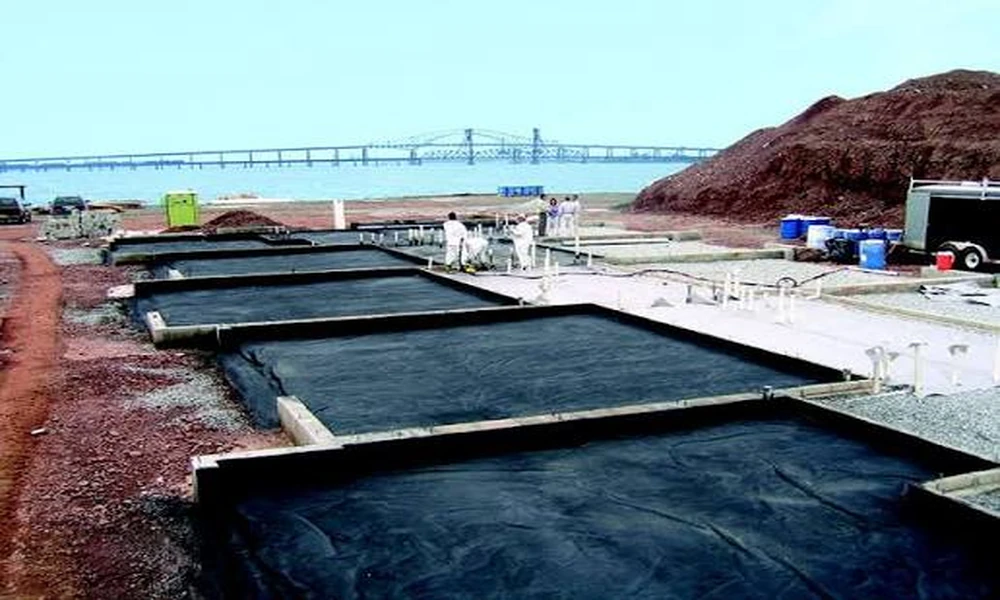
Vapor intrusion is a process that involves entry of harmful gases in the buildings through cracks in the foundation. These vapors are prevented from accessing indoor air by a mitigation system. This guide introduces important elements of a vapor intrusion mitigation system. Knowledge of these sections can assist the commercial construction professionals to come up with effective solutions.
Sub-slab extraction points and collection network
The first line of defense to vapor intrusion is the collection network. It is made up of perforated piping or low profile venting material placed in a permeable layer under the slab of concrete. This network unites soil gasses covering the whole area of the building, and directs them to the central extraction point. The main system elements of the collection system are the following:
- Perforated collection pipes: Slotted PVC pipes located in permeable stone layer that gives the vapors the freedom to flow into the system to be extracted.
- Low-profile venting material: This is a very permeable geotextile mat which is implemented when there is a limited depth of the excavation underneath the slab.
- Permeable aggregate layer: Clean gravel or stone which allows vapours and air to flow freely to the collection pipes.
- Collection plenum or header: A common current connection which collects the vapor of several parallel pipes and leads to the riser.
Active ventilation and depressurization equipment
Vapor extraction is caused by a negative pressure developed by an electric fan or blower. This dynamic element is much better compared to passive systems that depend on natural variations of temperature and pressure. The selection of fans concerns the size of the building, and the permeability of the sub-slab material. Some of the essential equipment needed in active mitigation include:
- Variable speed controllers: Can also adjust the airflow in response to changes of subsurface over time.
- Moisture knockout tank: This eliminates the liquid water out of the vapor stream before flowing to the fan to protect the equipment.
- Balancing valves: Allow precise adjustment of the suction of various points of extraction to cause evenly applied cover on the slab.
Vapor barrier and sealing components
Another seal that is used that works as a protective layer is a vapor barrier or an impermeable membrane that physically prevents entry of the vapor. This material is laid under the slab, or block on top of dirt floors in crawlspaces. The existence of a good seal between the foundation and the walls is also paramount in order to avoid vapor escape surrounding the barrier. Sealing and barrier elements might be:
- Chemical-resistant vapor barrier: This is a strong membrane that is laid below the slab and is flung against the degradation of the site contaminants.
- Foundation sealant: Flexible substance used to cover cracks between slab, walls and utility penetration.
- Membrane sealing tape: This is applied to cover the entire assembly or to cover seams and penetrations in the vapor barrier.
Conclusion
The vapor intrusion mitigation system is based on the existence of extraction points, a collection network, and an active fan to establish negative pressure under the slab. Performance is checked by monitoring tools and vapors are safely released above the building using a vent stack. Adequate design of indoor systems and frequent maintenance ensures indoor air quality in commercial spaces .