

Construction work is rarely as simple as having a wide-open space and plenty of room to operate. In reality, many projects take place in tight, restricted environments where every metre counts. Think busy city centres, residential streets, hospital grounds, or commercial areas that must stay open while work continues nearby.
In these situations, managing noise becomes just as important as managing time, cost, and safety. That is where modern noise barrier sheets come in. They have become a practical, flexible solution that helps contractors control sound while working in constrained sites where traditional noise control methods simply are not feasible.
Let’s take a closer look at how contractors actually use them, why they matter, and what makes them so effective.
What Are Noise Barrier Sheets?
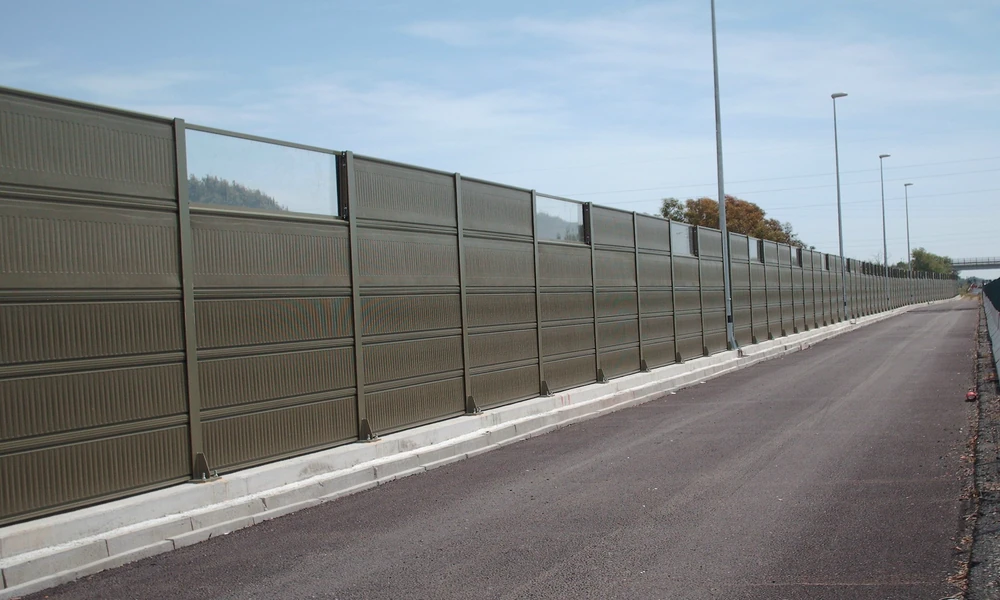
Noise barrier sheets are specially designed materials used to reduce the spread of sound from construction activity. They are typically made from dense, layered fabrics or composite materials that absorb and block noise rather than allowing it to travel freely.
In simple terms, they act like a sound absorbing shield. While they do not eliminate noise completely, they significantly reduce its impact on surrounding areas.
Contractors usually attach them to scaffolding, fencing, temporary hoardings, or modular frames. This makes them highly adaptable, especially when space is limited.
Why Constrained Sites Need Special Noise Control
Constrained sites bring a unique set of challenges that make noise control more complicated than usual.
First, there is limited physical space. Contractors often have no room for heavy-duty permanent acoustic barriers or large machinery buffers. Everything has to be compact, efficient, and easy to install.
Second, these sites are often surrounded by sensitive environments. Residential flats, schools, offices, and hospitals can all be just a few metres away. Even moderate construction noise can quickly become disruptive.
Third, many urban sites have strict regulatory requirements. Local councils and planning authorities often impose noise limits, working hour restrictions, and community impact guidelines. Failing to comply can lead to fines or project delays.
Noise barrier sheets provide a practical way to meet these demands without slowing down the project.
How Contractors Install Noise Barrier Sheets
One of the biggest advantages of noise barrier sheets is their flexibility. Contractors can install them in several ways depending on the site layout and the nature of the work.
Scaffolding Wraps
On multi-storey projects, scaffolding is common. Contractors often wrap scaffolding structures with noise barrier sheets to create a temporary acoustic enclosure. This helps contain sound from drilling, cutting, and demolition work.
The sheets are typically secured with heavy-duty ties or clips, ensuring they stay in place even in windy conditions.
Temporary Hoardings
On ground-level sites, hoarding systems are widely used to secure the perimeter. Noise barrier sheets can be attached directly to these hoardings, turning a basic boundary fence into a sound-reducing barrier.
This is especially useful in urban areas where pedestrians and passing traffic are close to the work zone.
Enclosed Work Zones
For particularly noisy operations, contractors may create fully enclosed sections using noise barrier sheets. This could include areas for cutting steel, breaking concrete, or operating generators.
These enclosed zones help localise noise so it does not spread across the entire site or beyond its boundaries.
Modular Frames
In more complex constrained sites, modular metal frames are used as support structures. Noise barrier sheets are then fixed to these frames to create portable acoustic walls.
This setup is useful when the site layout changes frequently, as the barriers can be moved and adjusted easily.
Benefits of Using Noise Barrier Sheets on Tight Sites
Noise barrier sheets offer several advantages that make them ideal for constrained environments.
1. Space Efficiency
Because they are lightweight and flexible, they do not require large foundations or bulky installations. This is essential when working in narrow streets or compact urban sites.
2. Quick Installation and Removal
Time is always a critical factor in construction. Noise barrier sheets can be installed quickly and removed just as easily once the project phase is complete. This helps keep work moving without unnecessary delays.
3. Improved Community Relations
One of the biggest challenges in urban construction is maintaining good relationships with nearby residents and businesses. Reducing noise levels helps minimise complaints and improves public perception of the project.
4. Regulatory Compliance
Many local authorities require contractors to implement noise reduction measures. Using barrier sheets helps meet these requirements without needing expensive permanent solutions.
5. Versatility
They can be used across different stages of a project, from demolition to finishing works. This makes them a cost-effective long-term investment for contractors working in varied environments.
Practical Considerations on Site
While noise barrier sheets are highly useful, contractors still need to consider a few practical factors when using them.
Weather conditions can have a big impact. Strong winds, for example, may require additional securing methods to prevent movement or damage. Water resistance is also important in areas with frequent rainfall, as wet materials can become heavy and less effective.
Durability matters as well. On busy sites where materials are constantly moving, sheets need to withstand wear and tear without losing performance.
Another consideration is proper installation. Gaps or poorly secured edges can significantly reduce effectiveness, allowing noise to escape. Contractors often carry out regular inspections to ensure everything remains tightly fixed.
Conclusion
Working in constrained sites will always present challenges, especially when it comes to controlling noise. Space is limited, regulations are strict, and surrounding communities are often very close to the action.
Noise barrier sheets give contractors a simple but powerful way to manage these pressures. They help reduce disruption, improve compliance, and keep projects running smoothly without requiring large or permanent infrastructure.
In many ways, they have become an essential part of modern urban construction, quietly doing their job so that everything else can continue at full pace.