

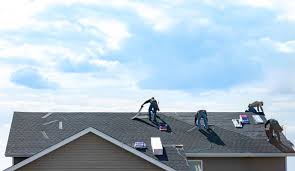
Strong overhead protection keeps a building safe from rain, sunlight, wind pressure, and moisture buildup. Many property owners face a choice between fixing damage and installing a completely new covering. Each path affects long-term spending, safety, and durability. Careful evaluation prevents repeated expenses later. Smart maintenance decisions also improve structural stability while lowering unexpected repair bills. The go here often appears in search queries when people look for guidance about maintenance choices, cost planning, and durability comparison. Clear information aids property owners know when simple fixes are enough or when a full upgrade delivers better value over time.
Why Does Age Influence Maintenance Decisions?
Older protective structures weaken gradually because materials face constant sunlight, wind pressure, and seasonal moisture cycles. Aging materials lose strength slowly, which increases leak risks.
How Do Repeated Fixes Increase Long-Term Spending?
Frequent patchwork might appear cheaper initially. However, repeated service visits, material replacement, and hidden structural issues gradually raise total expenditure beyond expectations.
When Does Full Surface Renewal Become a Practical Choice?
Wide damage across large sections, serious water intrusion, and weakened structural layers usually indicate that installing a new covering offers stronger protection.
How Do Materials Affect Durability Over Time?
Construction materials influence lifespan greatly. Strong layers resist moisture penetration better, while low-quality materials break faster under sunlight and wind pressure.
Why Does Preventive Inspection Support Budget Planning?
Regular inspection helps detect early damage before it spreads deeper into support structures. Early action reduces emergency spending.
How Do Weather Conditions Influence Structural Wear?
Strong sunlight weakens protective layers slowly. Moisture infiltration causes hidden decay. Wind pressure loosens surface sections. Over time, these environmental forces slowly reduce durability.
What Factors Should Property Owners Compare Before Major Upgrades?
Careful planning helps property owners evaluate structural condition, long-term savings potential, and safety improvements before choosing repair or major upgrade.
• Surface wear level helps determine whether limited repair work remains effective or whether more serious structural damage already requires replacement.
• Material lifespan comparison explains how different coverings resist sunlight, moisture penetration, and pressure stress during long exposure periods.
• Inspection frequency influences maintenance planning because regular observation detects early damage before costly structural deterioration spreads deeper.
Selecting the best maintenance path depends on careful inspection results, structural strength, expected lifespan of materials. Temporary fixes sometimes appear affordable, yet repeated service calls slowly raise spending. Broader structural renewal may require higher upfront investment, yet reduces long term risk while improving stability. When researching guidance online, many people search using go here to find practical comparisons that explain maintenance decisions clearly.